Wildlife photography is more than capturing animals in action—it is about patience, timing, understanding nature, and telling powerful visual stories. With India’s rich biodiversity and growing demand for professional pictures across digital platforms, wildlife photography has become a serious career path. For aspiring nature photographers in Kolkata, the journey begins with the right training, field exposure, and mentorship.
This guide explores wildlife photography in Kolkata, the challenges beginners face, essential skills, career scope, and why professional training from RAP Education Photography School makes all the difference.
What Is Wildlife Photography and Why It Matters Today
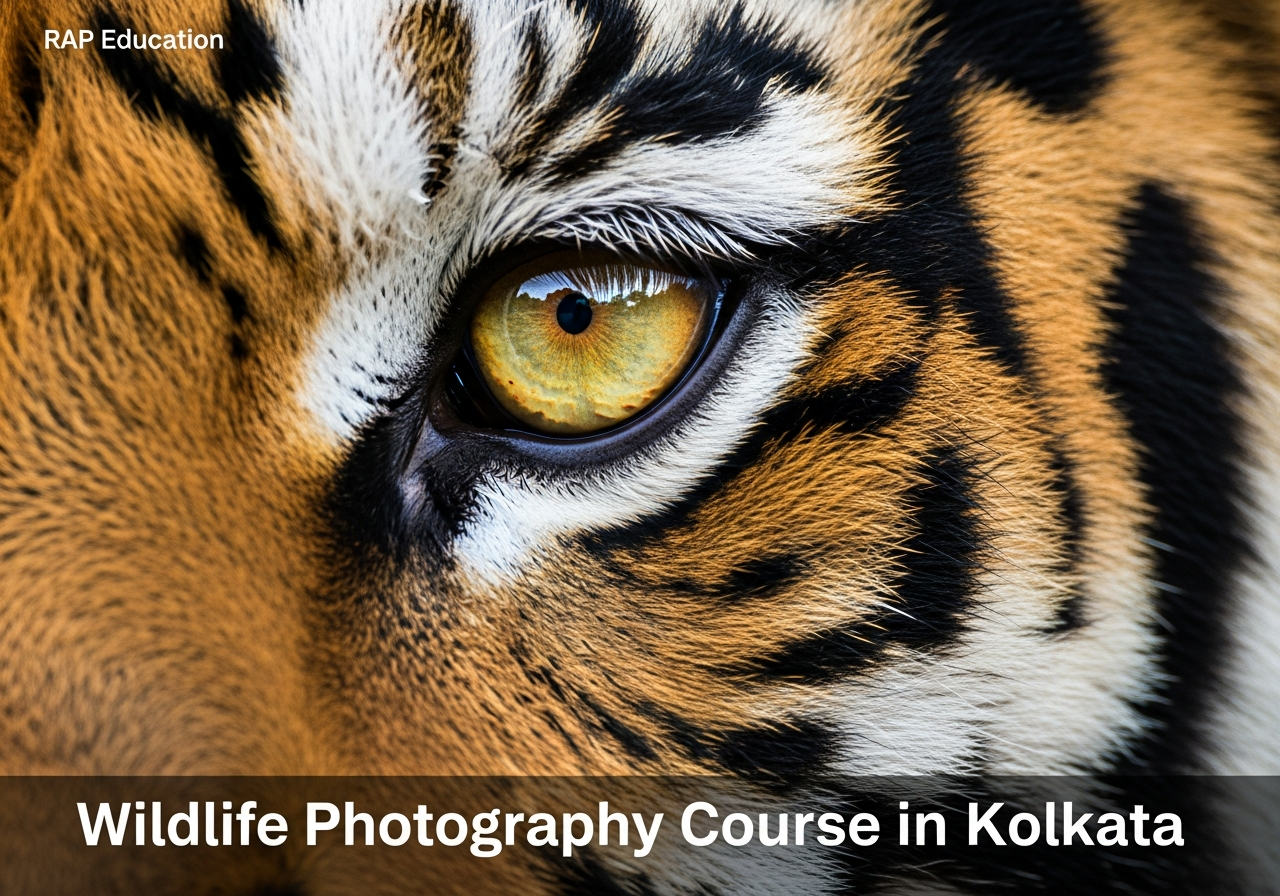
Wildlife photography focuses on capturing animals, birds, and natural habitats in their raw, untamed environments. From bird photography in wetlands to documenting forest life, this genre demands technical expertise and emotional sensitivity.
Today, wildlife photography plays a critical role in conservation, digital media, publications, documentaries, and brand storytelling. Professional pictures captured by trained nature photographers help raise awareness about biodiversity and environmental challenges.
Wildlife Photography Opportunities Around Kolkata
Kolkata is strategically located near diverse wildlife zones, making it an excellent base for learning wildlife photography.
Aspiring photographers can explore:
- Bird sanctuaries and wetlands around West Bengal
- Forest belts and national parks nearby
- Natural reserves ideal for field practice
- Seasonal migratory bird photography opportunities
This proximity allows students to apply classroom learning directly in real-world environments—an advantage emphasized in RAP Education’s wildlife photography training.
Key Skills Required to Become a Wildlife Photographer
Wildlife photography is technically demanding and mentally challenging. To succeed, photographers must develop:
- Deep understanding of camera controls and exposure
- Fast decision-making in unpredictable situations
- Mastery of natural light and color
- Strong composition and storytelling abilities
- Patience, observation, and ethical field practices
Without structured guidance, many beginners struggle to progress beyond basic shots.
Common Wildlife Photography Challenges Beginners Face
Wildlife photography presents unique obstacles, including:
- Unpredictable animal behavior
- Difficult lighting conditions
- Long waiting hours with no guaranteed shots
- Technical limitations without proper training
- Ethical challenges in approaching wildlife
These photography challenges require experience-driven learning, which is why professional mentorship and guided field training are essential.
Why Professional Wildlife Photography Training Matters
Self-learning often leads to inconsistent growth. A professional wildlife photography course provides:
- Step-by-step technical mastery
- Real field exposure
- Portfolio-building opportunities
- Industry insights from experienced mentors
RAP Education bridges the gap between passion and profession by combining classroom learning with hands-on wildlife expeditions.
Why RAP Education Is the Best Photography Institute in Kolkata
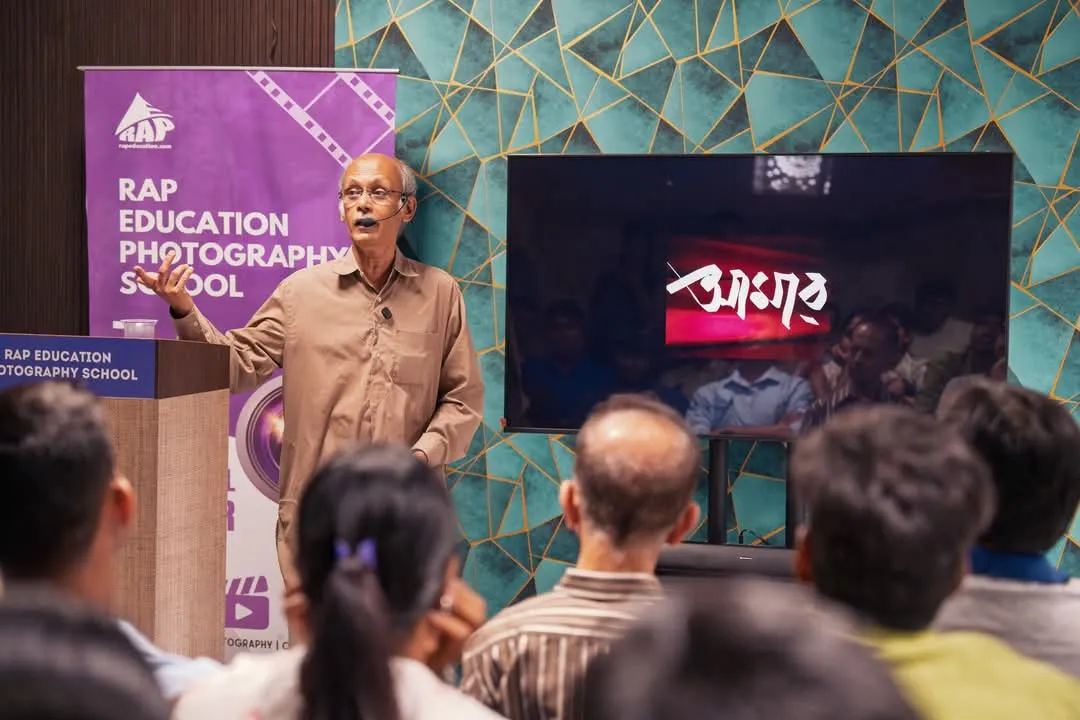
RAP Education Photography School stands out for its practical, industry-focused approach. Unlike generic courses, RAP Education treats photography as both an art and a profession.
What sets RAP Education apart:
- Career-oriented curriculum
- Experienced wildlife photographers as instructors
- Real-world field projects
- Portfolio-driven learning
- Ethical and responsible photography training
Their Master Class in Wildlife and Bird Photography is designed for serious learners aiming for professional growth.
Wildlife & Bird Photography Course at RAP Education
RAP Education’s Master Class in Wildlife and Bird Photography is a 6-month advanced professional program crafted to transform beginners into confident nature photographers.
The course blends technical mastery, creative vision, and practical fieldwork—ensuring students produce professional pictures ready for publication and exhibitions.
Detailed Course Syllabus Overview
Mastering the Camera
- Professional shooting discipline and exposure control
- Depth, focus, and lens behavior understanding
- Visual psychology and perception
Light & Colour Control
- Natural vs artificial light mastery
- Colour theory and Kelvin temperature
- Lighting tools and mood creation
Composition & Storytelling
- Rule-breaking composition techniques
- Visual balance and narrative framing
- Emotional storytelling through images
Editing & Workflow
- Photoshop and Lightroom retouching
- Premiere Pro editing fundamentals
- File management and portfolio curation
Creative Identity & Project Building
- Finding your creative voice
- Genre-based wildlife aesthetics
- Planning a signature project
Wildlife Specialisation & Field Training
- Advanced wildlife photography techniques
- Tracking, patience, and observation skills
- Light timing and composition in nature
- Guided wildlife expedition project
This structured syllabus ensures students evolve into industry-ready professionals.
Career Scope After Learning Wildlife Photography
After completing professional training, wildlife photographers can pursue careers in:
- Wildlife and conservation photography
- Bird photography publications
- Documentary and media projects
- Digital content creation
- Freelance photography assignments
- Brand and NGO collaborations
With growing demand for authentic visuals, trained nature photographers have expanding opportunities.
Why Kolkata Learners Choose RAP Education
Students choose RAP Education because:
- Training focuses on real-world outcomes
- Courses balance creativity with commercial viability
- Mentorship goes beyond technical teaching
- Students gain confidence through practical exposure
RAP Education doesn’t just teach photography—it builds photographers.
Turn Passion for Wildlife into a Profession
Wildlife photography demands more than a camera—it requires vision, discipline, patience, and professional guidance. For aspiring nature photographers in Kolkata, RAP Education offers the perfect blend of technical mastery, creative growth, and field experience.
If you’re ready to overcome photography challenges, capture professional pictures, and build a career in wildlife and bird photography, RAP Education’s Master Class is your next step.
Start Your Photography or Cinematography Journey with RAP Education.
Professional courses in Kolkata starting at ₹22,500/month. Enroll today!
For More Insights & Updates, Follow Us On >
Facebook | Instagram | YouTube | LinkedIn
FAQs
1. Can beginners learn wildlife photography at RAP Education?
Yes. RAP Education’s course starts with fundamentals and gradually advances to professional wildlife photography through structured training and guided field projects in real environments.
2. Is bird photography included in the wildlife course?
Absolutely. The course places strong emphasis on bird photography, covering behavior, timing, composition, and ethical practices under expert mentorship.
3. Does the course include outdoor wildlife shoots?
Yes. RAP Education conducts guided wildlife expeditions, allowing students to practice field techniques and capture professional pictures in natural habitats.
4. What camera skills are taught in the course?
Students learn exposure control, lens behavior, depth, focus, and camera discipline essential for handling fast-moving wildlife subjects.
5. Is editing part of the wildlife photography program?
Yes. The course includes professional training in Lightroom, Photoshop, and workflow management for publishing-ready wildlife photographs.
6. Why choose RAP Education over other institutes in Kolkata?
RAP Education combines industry-experienced mentors, real field exposure, structured learning, and portfolio development, making it the best photography institute in Kolkata.
7. What career opportunities exist after completing the course?
Graduates can work as wildlife photographers, bird photographers, content creators, or collaborate with publications, NGOs, and digital platforms.
8. Does RAP Education teach ethical wildlife photography?
Yes. Ethical practices, patience, and respect for nature are core principles taught throughout the wildlife photography program.