Street photography is one of the most powerful and expressive genres of visual storytelling. From fleeting human emotions to layered urban narratives, it captures life as it unfolds—raw, real, and unpredictable. As interest in street photography grows across India, especially in creative cities like Kolkata, aspiring photographers often face a key question: Should you learn street photography through an online course or opt for offline training?
This guide breaks down the real differences between a Street Photography Online Course and offline classroom training, helping beginners, hobbyists, and future professionals choose the learning path that aligns with their goals. We’ll also explore how structured, mentor-led programs like those at RAP Education Photography School bridge the gap between learning and real-world execution.
What Is Street Photography and Why Is It So Challenging?
Street photography is not about staged shots or perfect lighting—it’s about anticipation, timing, observation, and storytelling. Photographers must react instantly, understand human behavior, manage natural light, and compose compelling frames in unpredictable environments.
Unlike studio or product photography, street photography tests:
- Situational awareness
- Ethical decision-making
- Confidence in public spaces
- Technical speed and adaptability
This makes the learning method especially important.
Street Photography Online Course: Pros and Limitations
A Street Photography Online Course is often the first choice for beginners due to convenience and affordability. Let’s examine where it works—and where it falls short.
Advantages of Online Street Photography Courses
Online learning offers:
- Flexible schedules for students and working professionals
- Access to recorded lessons from anywhere
- Lower upfront costs
- Basic exposure to techniques, camera settings, and composition
For someone exploring photography as a hobby or testing interest, online courses provide a low-risk entry point.
Limitations of Online Learning
However, street photography is deeply experiential. Online courses often lack:
- Live field practice
- Real-time feedback on mistakes
- Guidance in handling public interactions
- Mentorship during unpredictable shooting conditions
Watching street photography videos is not the same as shooting under pressure, navigating crowds, or reacting to spontaneous moments.
Offline Street Photography Training: Why It Creates Better Photographers
Offline training offers what online learning cannot—immersion, mentorship, and accountability.
Hands-On Learning in Real Streets
Offline programs place students directly in real shooting environments. You learn by:
- Photographing real people and situations
- Understanding light changes throughout the day
- Developing confidence in public spaces
- Making mistakes—and learning from them instantly
This experiential learning accelerates skill development.
Mentor-Led Feedback and Direction
In offline training, instructors:
- Correct framing and exposure on the spot
- Teach how to anticipate moments
- Guide ethical street photography practices
- Help students refine personal visual style
This is critical for those considering photography as a serious photography career.
Online vs Offline Street Photography: A Direct Comparison
Learning Depth
Online courses focus on theory and examples. Offline training builds instinct, speed, and creative confidence.
Practice Opportunities
Online learning relies on self-practice. Offline training integrates guided field assignments.
Feedback Quality
Online feedback is delayed or generic. Offline feedback is immediate and personalized.
Career Readiness
Offline programs prepare students for real-world challenges, client work, and professional portfolios.
Which Option Is Better for Beginners?
For absolute beginners, online learning may help understand basic camera controls. However, a photography course for beginners that includes offline training ensures:
- Faster skill development
- Stronger creative foundation
- Better portfolio outcomes
This is especially important for students who want to move beyond hobby photography.
Street Photography and Career Opportunities
Street photography builds skills that translate across genres:
- Wedding photography
- Documentary storytelling
- Travel and editorial photography
- Content creation and visual journalism
Many successful professionals begin their photography career with strong street photography fundamentals.
Why RAP Education’s Offline Training Makes a Difference
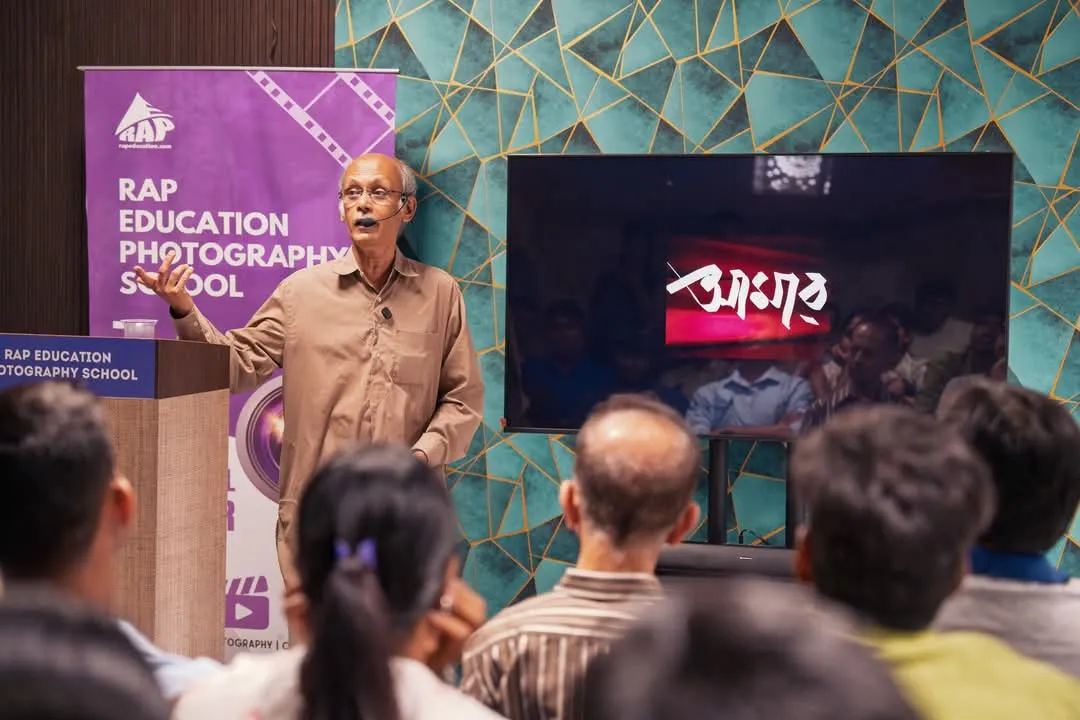
RAP Education Photography School approaches street photography as both an art form and a professional skill.
Their Travel & Street Photography Masterclass is designed to:
- Combine classroom learning with real street shoots
- Teach observation, patience, and visual psychology
- Develop confidence in unpredictable environments
- Help students create a strong, authentic portfolio
Rather than just teaching camera settings, RAP Education trains students to think like visual storytellers.
Learning Environment Matters: Why Kolkata Is Ideal
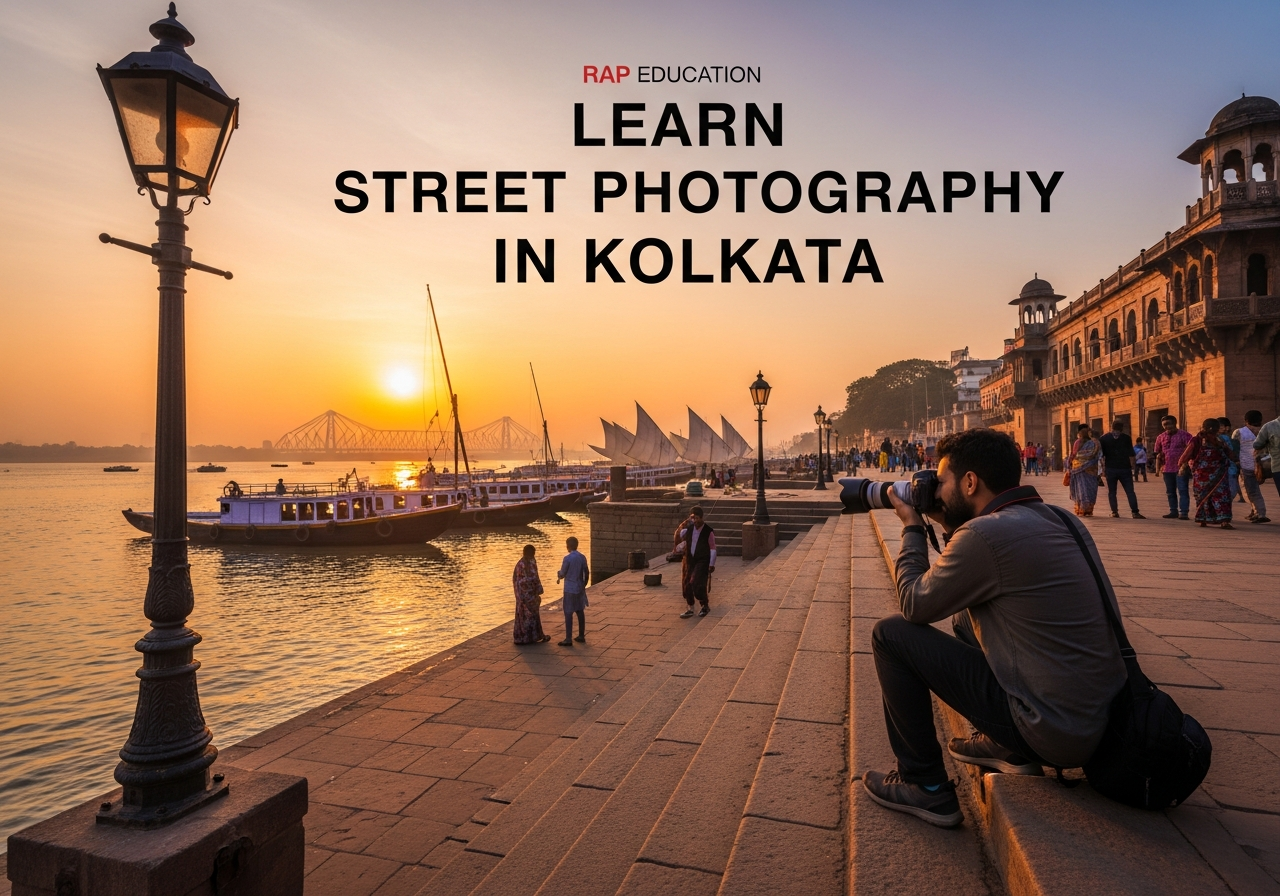
Kolkata offers layered streets, diverse cultures, heritage architecture, and intense human emotion—making it one of India’s best cities to learn street photography. Offline training here provides daily opportunities to practice storytelling in real contexts.
How to Choose the Right Learning Path
Choose an online street photography course if:
- You want basic exposure
- You are exploring photography casually
- You need schedule flexibility
Choose offline training if:
- You want serious skill development
- You aim for a professional photography career
- You value mentorship, feedback, and field experience
Conclusion
While a Street Photography Online Course can introduce concepts, offline training transforms photographers. Street photography is learned best on the streets—not screens. For those who want real-world confidence, creative clarity, and career-ready skills, structured offline programs like those at RAP Education Photography School offer a clear advantage.
If your goal is not just to learn photography—but to live it, practice it, and grow professionally—offline training is the smarter investment.
Start Your Photography or Cinematography Journey with RAP Education.
Professional courses in Kolkata starting at ₹22,500/month. Enroll today!
For More Insights & Updates, Follow Us On >
Facebook | Instagram | YouTube | LinkedIn
FAQs
Is a street photography online course good for beginners?
Online courses help beginners understand basics, but they lack real-world practice and mentorship, which are essential for building confidence and professional-level street photography skills.
Do I need offline training to become a professional photographer?
Offline training provides hands-on experience, live feedback, and real shooting challenges, which are crucial for anyone planning a serious photography career.
Can street photography lead to paid work?
Yes. Street photography builds storytelling, composition, and timing skills that are valuable in wedding, documentary, travel, and editorial photography careers.
How long does it take to learn street photography?
Learning basics may take weeks, but developing consistency, confidence, and a strong visual style typically requires months of guided practice and feedback.
Is street photography suitable for beginners?
Yes, with the right mentorship. Beginners benefit greatly from structured guidance that helps them overcome fear, technical mistakes, and compositional challenges.
What camera is best for street photography students?
Any camera with manual controls works. Training focuses more on vision, timing, and storytelling rather than expensive gear.
Why is offline learning better in cities like Kolkata?
Kolkata offers diverse streets, people, and emotions, making it ideal for real-world practice and visual storytelling development.
Does RAP Education offer street photography training?
Yes. RAP Education offers a structured Travel & Street Photography Masterclass combining theory, guided shoots, and portfolio development.