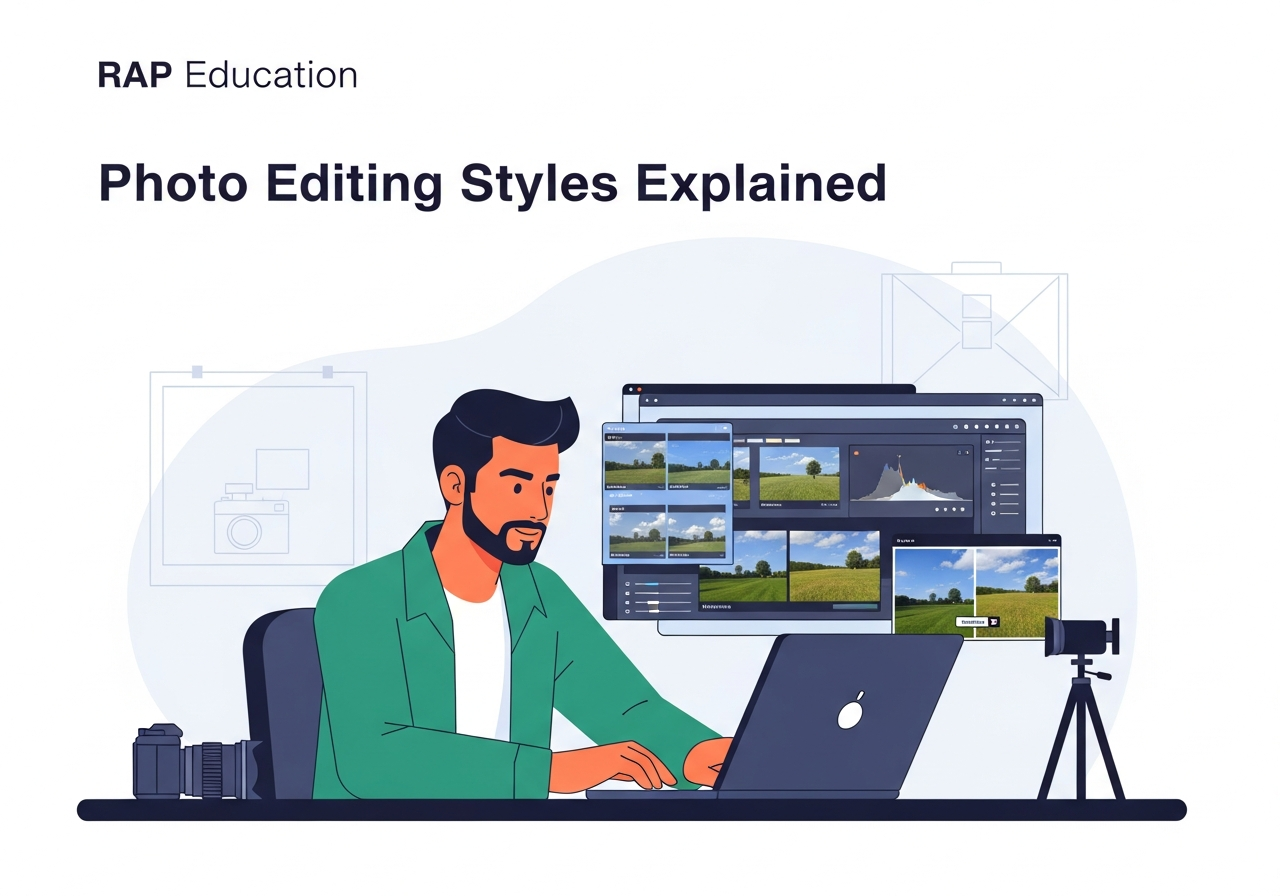
Photo editing has become an inseparable part of modern photography. Whether it’s subtle colour correction or dramatic cinematic grading, editing defines how an image feels, communicates emotion, and tells a story. For photographers, creators, and brands alike, understanding different photo editing styles is no longer optional—it’s essential.
In this guide, we break down popular photo editing styles, explain when and why to use them, and show how professional training can help photographers master editing as a powerful storytelling tool.
Why Photo Editing Matters in Modern Photography
Photography doesn’t end when the shutter clicks. Editing is where images are refined, emotions are enhanced, and creative intent becomes visible. Professional photo editing helps photographers maintain visual consistency, highlight mood and atmosphere, strengthen storytelling, and meet commercial and brand standards.
From weddings and portraits to product photography and cinematic campaigns, editing styles shape how audiences perceive images.
Understanding Photo Editing Styles
Photo editing styles refer to the visual treatment applied to images through colour, contrast, tone, texture, and light. Each style serves a purpose and suits specific genres, platforms, and audiences.
Learning these styles helps photographers adapt to different client needs and creative goals.
Natural Editing Style: Clean, Real, and Timeless
Natural editing focuses on realism. The goal is to enhance the photo without making the edits obvious.
Key Characteristics
- True-to-life colors
- Balanced exposure
- Minimal skin retouching
- Soft contrast
Where It’s Used
- Wedding photography
- Lifestyle portraits
- Editorial and documentary work
This style is ideal for photographers who want their images to feel authentic and emotionally honest.
Bright and Airy Editing Style
The bright and airy style emphasizes light, softness, and freshness. It’s visually pleasing and popular on social media.
Key Characteristics
- High exposure
- Soft shadows
- Pastel tones
- Clean highlights
Best For
- Fashion photography
- Lifestyle branding
- Instagram-focused content
Dark and Moody Editing Style
Dark and moody edits add depth, drama, and intensity. This style is powerful for storytelling and emotional impact.
Key Characteristics
- Deep shadows
- Rich contrast
- Muted highlights
- Strong subject isolation
Used In
- Portrait photography
- Fine art projects
- Conceptual storytelling
Mastering this style requires a strong understanding of light control and tonal balance.
Cinematic Photo Editing Style
Cinematic editing draws inspiration from films and is one of the most in-demand styles today.
Key Characteristics
- Color grading with teal, orange, or muted palettes
- Controlled highlights and shadows
- Film-like contrast
- Dramatic mood
Applications
- Fashion campaigns
- Advertising photography
- Visual storytelling projects
Vintage and Film-Inspired Editing Style
Vintage editing recreates the feel of analog film photography.
Key Characteristics
- Grain texture
- Faded blacks
- Warm tones
- Lower contrast
Popular Uses
- Travel photography
- Artistic projects
- Personal storytelling
High-Contrast Commercial Editing Style
This style is sharp, bold, and eye-catching—perfect for commercial use.
Key Characteristics
- Crisp details
- Punchy colors
- High clarity
- Strong highlights
Used For
- Product photography
- E-commerce
- Advertising visuals
Professional pictures in this style demand technical editing precision.
Minimal Editing Style
Minimal editing focuses on restraint and simplicity.
Key Characteristics
- Very subtle adjustments
- Neutral tones
- Clean compositions
Ideal For
- Editorial photography
- Documentary work
- Personal portfolios
Tools Used for Professional Photo Editing
To master editing styles, photographers must understand industry-standard tools:
- Adobe Lightroom for color correction and workflow
- Adobe Photoshop for retouching and compositing
- Color grading techniques for cinematic looks
Structured training helps photographers move beyond presets and develop intentional editing skills.
Why Learning Photo Editing Professionally Matters
Many photographers struggle with editing because they rely on presets without understanding the logic behind them. Professional training helps photographers edit consistently, develop a personal editing style, understand colour theory and visual psychology, and work efficiently under deadlines.
How RAP Education Trains Photographers in Editing Styles
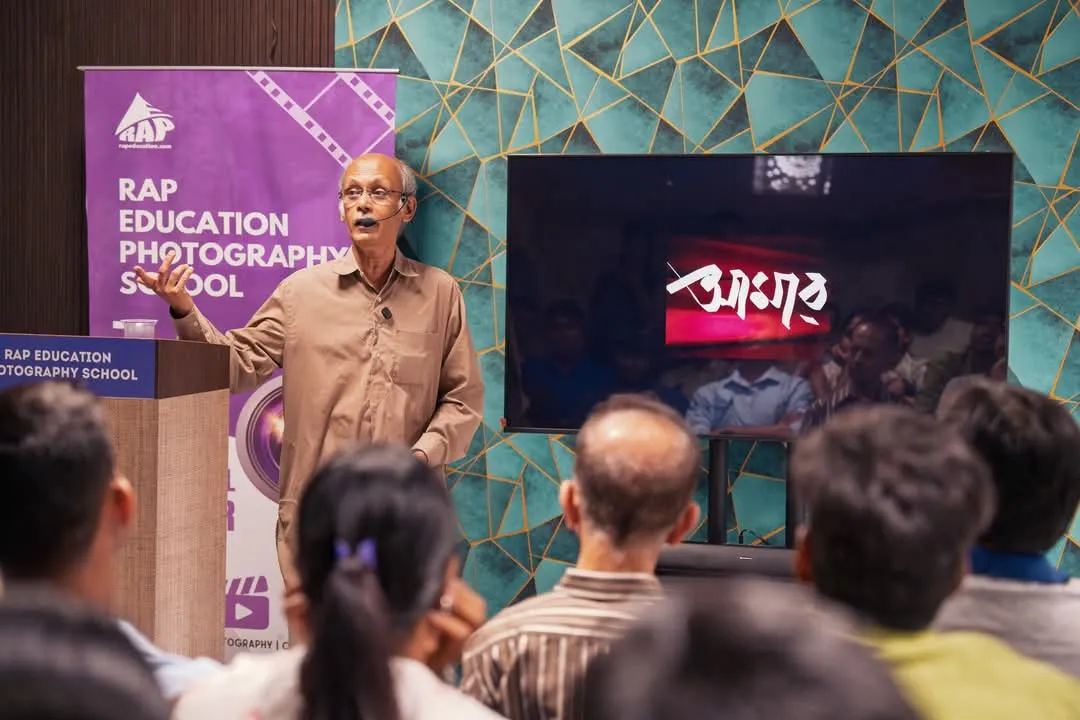
RAP Education Photography School integrates photo editing deeply into its photography and videography courses.
Students learn:
- Natural, moody, and cinematic editing workflows
- Lightroom and Photoshop from basics to advanced
- Editing for different photography genres
- Portfolio-level retouching standards
This hands-on approach prepares students for real industry demands and client expectations.
Editing Is Where Photographs Come Alive
Photo editing styles are not about filters—they’re about intention, storytelling, and creative clarity. From natural looks to cinematic visuals, understanding editing styles allows photographers to communicate more powerfully and professionally.
For those serious about mastering photo editing and visual storytelling, structured learning and consistent practice are key to transforming raw images into compelling professional work.
Start Your Photography or Cinematography Journey with RAP Education.
Professional courses in Kolkata starting at ₹22,500/month. Enroll today!
For More Insights & Updates, Follow Us On >
Facebook | Instagram | YouTube | LinkedIn
FAQs
1. What is the most popular photo editing style today?
Cinematic and natural editing styles are currently the most popular, especially for portraits, weddings, branding, and social media-driven photography projects.
2. Is photo editing essential for professional photographers?
Yes. Photo editing is essential for refining images, maintaining consistency, and meeting professional and commercial photography standards.
3. Can beginners learn photo editing easily?
With proper guidance and structured learning, beginners can learn photo editing step by step using professional tools and workflows.
4. Which software is best for photo editing?
Adobe Lightroom and Photoshop are industry-standard tools used for professional photo editing and retouching.
5. What is cinematic colour grading in photography?
Cinematic colour grading uses stylized tones, controlled contrast, and film-inspired palettes to create dramatic, movie-like visuals.
6. Does RAP Education teach photo editing in its courses?
Yes. RAP Education includes hands-on training in Lightroom, Photoshop, and professional editing workflows as part of its programs.
7. How long does it take to master photo editing styles?
With consistent practice and expert guidance, photographers can build strong editing skills within a few months of structured training.
8. Can editing styles help photographers get better clients?
Yes. A refined editing style helps photographers stand out, attract better clients, and build a strong professional portfolio.