Photo Editing Styles Explained: Natural, Moody & Cinematic Looks
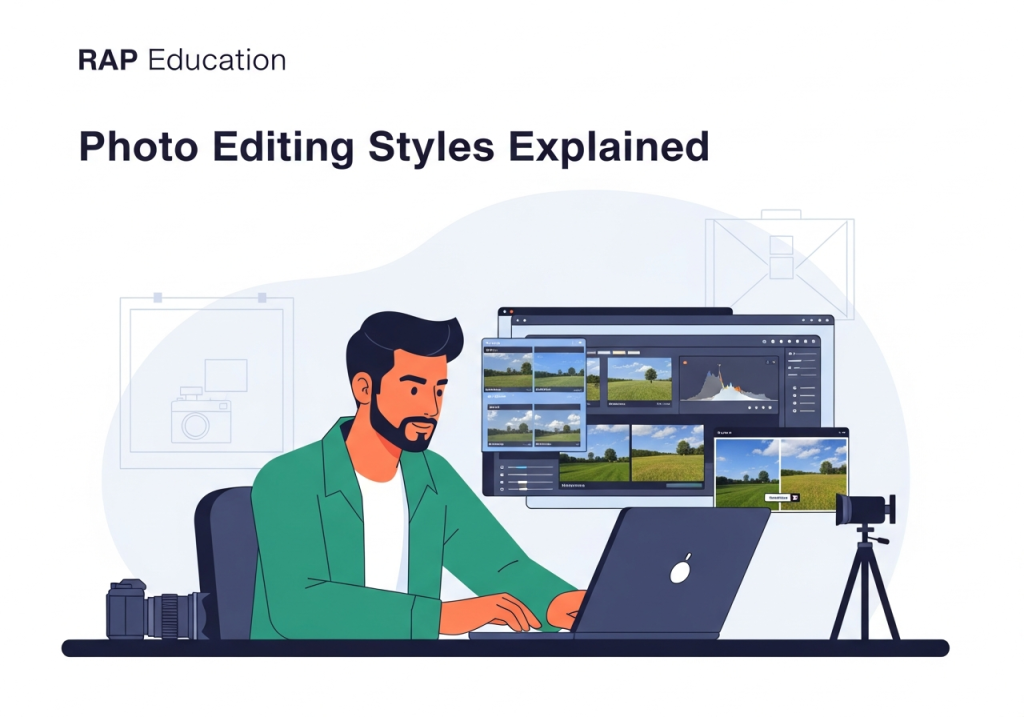
Photo editing has become an inseparable part of modern photography. Whether it’s subtle colour correction or dramatic cinematic grading, editing defines how an image feels, communicates emotion, and tells a story. For photographers, creators, and brands alike, understanding different photo editing styles is no longer optional—it’s essential. In this guide, we break down popular photo editing styles, explain when and why to use them, and show how professional training can help photographers master editing as a powerful storytelling tool. Why Photo Editing Matters in Modern Photography Photography doesn’t end when the shutter clicks. Editing is where images are refined, emotions are enhanced, and creative intent becomes visible. Professional photo editing helps photographers maintain visual consistency, highlight mood and atmosphere, strengthen storytelling, and meet commercial and brand standards. From weddings and portraits to product photography and cinematic campaigns, editing styles shape how audiences perceive images. Understanding Photo Editing Styles Photo editing styles refer to the visual treatment applied to images through colour, contrast, tone, texture, and light. Each style serves a purpose and suits specific genres, platforms, and audiences. Learning these styles helps photographers adapt to different client needs and creative goals. Natural Editing Style: Clean, Real, and Timeless Natural editing focuses on realism. The goal is to enhance the photo without making the edits obvious. Key Characteristics Where It’s Used This style is ideal for photographers who want their images to feel authentic and emotionally honest. Bright and Airy Editing Style The bright and airy style emphasizes light, softness, and freshness. It’s visually pleasing and popular on social media. Key Characteristics Best For Dark and Moody Editing Style Dark and moody edits add depth, drama, and intensity. This style is powerful for storytelling and emotional impact. Key Characteristics Used In Mastering this style requires a strong understanding of light control and tonal balance. Cinematic Photo Editing Style Cinematic editing draws inspiration from films and is one of the most in-demand styles today. Key Characteristics Applications Vintage and Film-Inspired Editing Style Vintage editing recreates the feel of analog film photography. Key Characteristics Popular Uses High-Contrast Commercial Editing Style This style is sharp, bold, and eye-catching—perfect for commercial use. Key Characteristics Used For Professional pictures in this style demand technical editing precision. Minimal Editing Style Minimal editing focuses on restraint and simplicity. Key Characteristics Ideal For Tools Used for Professional Photo Editing To master editing styles, photographers must understand industry-standard tools: Structured training helps photographers move beyond presets and develop intentional editing skills. Why Learning Photo Editing Professionally Matters Many photographers struggle with editing because they rely on presets without understanding the logic behind them. Professional training helps photographers edit consistently, develop a personal editing style, understand colour theory and visual psychology, and work efficiently under deadlines. How RAP Education Trains Photographers in Editing Styles RAP Education Photography School integrates photo editing deeply into its photography and videography courses. Students learn: This hands-on approach prepares students for real industry demands and client expectations. Editing Is Where Photographs Come Alive Photo editing styles are not about filters—they’re about intention, storytelling, and creative clarity. From natural looks to cinematic visuals, understanding editing styles allows photographers to communicate more powerfully and professionally. For those serious about mastering photo editing and visual storytelling, structured learning and consistent practice are key to transforming raw images into compelling professional work. Start Your Photography or Cinematography Journey with RAP Education.Professional courses in Kolkata starting at ₹22,500/month. Enroll today! For More Insights & Updates, Follow Us On >Facebook | Instagram | YouTube | LinkedIn FAQs 1. What is the most popular photo editing style today?Cinematic and natural editing styles are currently the most popular, especially for portraits, weddings, branding, and social media-driven photography projects. 2. Is photo editing essential for professional photographers?Yes. Photo editing is essential for refining images, maintaining consistency, and meeting professional and commercial photography standards. 3. Can beginners learn photo editing easily?With proper guidance and structured learning, beginners can learn photo editing step by step using professional tools and workflows. 4. Which software is best for photo editing?Adobe Lightroom and Photoshop are industry-standard tools used for professional photo editing and retouching. 5. What is cinematic colour grading in photography?Cinematic colour grading uses stylized tones, controlled contrast, and film-inspired palettes to create dramatic, movie-like visuals. 6. Does RAP Education teach photo editing in its courses?Yes. RAP Education includes hands-on training in Lightroom, Photoshop, and professional editing workflows as part of its programs. 7. How long does it take to master photo editing styles?With consistent practice and expert guidance, photographers can build strong editing skills within a few months of structured training. 8. Can editing styles help photographers get better clients?Yes. A refined editing style helps photographers stand out, attract better clients, and build a strong professional portfolio.
Wildlife Photography Course in Kolkata: Learn Skills, Challenges & Career Paths
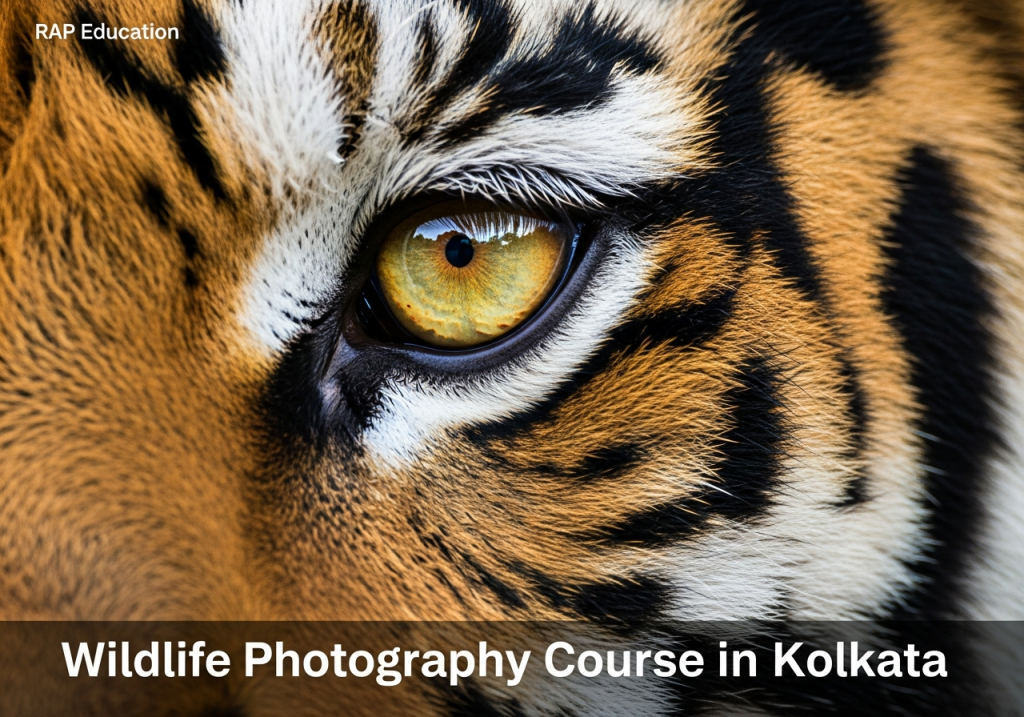
Wildlife photography is more than capturing animals in action—it is about patience, timing, understanding nature, and telling powerful visual stories. With India’s rich biodiversity and growing demand for professional pictures across digital platforms, wildlife photography has become a serious career path. For aspiring nature photographers in Kolkata, the journey begins with the right training, field exposure, and mentorship. This guide explores wildlife photography in Kolkata, the challenges beginners face, essential skills, career scope, and why professional training from RAP Education Photography School makes all the difference. What Is Wildlife Photography and Why It Matters Today Wildlife photography focuses on capturing animals, birds, and natural habitats in their raw, untamed environments. From bird photography in wetlands to documenting forest life, this genre demands technical expertise and emotional sensitivity. Today, wildlife photography plays a critical role in conservation, digital media, publications, documentaries, and brand storytelling. Professional pictures captured by trained nature photographers help raise awareness about biodiversity and environmental challenges. Wildlife Photography Opportunities Around Kolkata Kolkata is strategically located near diverse wildlife zones, making it an excellent base for learning wildlife photography. Aspiring photographers can explore: This proximity allows students to apply classroom learning directly in real-world environments—an advantage emphasized in RAP Education’s wildlife photography training. Key Skills Required to Become a Wildlife Photographer Wildlife photography is technically demanding and mentally challenging. To succeed, photographers must develop: Without structured guidance, many beginners struggle to progress beyond basic shots. Common Wildlife Photography Challenges Beginners Face Wildlife photography presents unique obstacles, including: These photography challenges require experience-driven learning, which is why professional mentorship and guided field training are essential. Why Professional Wildlife Photography Training Matters Self-learning often leads to inconsistent growth. A professional wildlife photography course provides: RAP Education bridges the gap between passion and profession by combining classroom learning with hands-on wildlife expeditions. Why RAP Education Is the Best Photography Institute in Kolkata RAP Education Photography School stands out for its practical, industry-focused approach. Unlike generic courses, RAP Education treats photography as both an art and a profession. What sets RAP Education apart: Their Master Class in Wildlife and Bird Photography is designed for serious learners aiming for professional growth. Wildlife & Bird Photography Course at RAP Education RAP Education’s Master Class in Wildlife and Bird Photography is a 6-month advanced professional program crafted to transform beginners into confident nature photographers. The course blends technical mastery, creative vision, and practical fieldwork—ensuring students produce professional pictures ready for publication and exhibitions. Detailed Course Syllabus Overview Mastering the Camera Light & Colour Control Composition & Storytelling Editing & Workflow Creative Identity & Project Building Wildlife Specialisation & Field Training This structured syllabus ensures students evolve into industry-ready professionals. Career Scope After Learning Wildlife Photography After completing professional training, wildlife photographers can pursue careers in: With growing demand for authentic visuals, trained nature photographers have expanding opportunities. Why Kolkata Learners Choose RAP Education Students choose RAP Education because: RAP Education doesn’t just teach photography—it builds photographers. Turn Passion for Wildlife into a Profession Wildlife photography demands more than a camera—it requires vision, discipline, patience, and professional guidance. For aspiring nature photographers in Kolkata, RAP Education offers the perfect blend of technical mastery, creative growth, and field experience. If you’re ready to overcome photography challenges, capture professional pictures, and build a career in wildlife and bird photography, RAP Education’s Master Class is your next step. Start Your Photography or Cinematography Journey with RAP Education.Professional courses in Kolkata starting at ₹22,500/month. Enroll today! For More Insights & Updates, Follow Us On >Facebook | Instagram | YouTube | LinkedIn FAQs 1. Can beginners learn wildlife photography at RAP Education?Yes. RAP Education’s course starts with fundamentals and gradually advances to professional wildlife photography through structured training and guided field projects in real environments. 2. Is bird photography included in the wildlife course?Absolutely. The course places strong emphasis on bird photography, covering behavior, timing, composition, and ethical practices under expert mentorship. 3. Does the course include outdoor wildlife shoots?Yes. RAP Education conducts guided wildlife expeditions, allowing students to practice field techniques and capture professional pictures in natural habitats. 4. What camera skills are taught in the course?Students learn exposure control, lens behavior, depth, focus, and camera discipline essential for handling fast-moving wildlife subjects. 5. Is editing part of the wildlife photography program?Yes. The course includes professional training in Lightroom, Photoshop, and workflow management for publishing-ready wildlife photographs. 6. Why choose RAP Education over other institutes in Kolkata?RAP Education combines industry-experienced mentors, real field exposure, structured learning, and portfolio development, making it the best photography institute in Kolkata. 7. What career opportunities exist after completing the course?Graduates can work as wildlife photographers, bird photographers, content creators, or collaborate with publications, NGOs, and digital platforms. 8. Does RAP Education teach ethical wildlife photography?Yes. Ethical practices, patience, and respect for nature are core principles taught throughout the wildlife photography program.